Hacker Returns $20 Million Stolen from GMX v1 DEX After White Hat Bounty Offer
July 10, 2025
SEC’s New Guidance on Crypto Staking: What’s Allowed and What’s Not
July 10, 2025Japan’s Gates Inc. to Tokenize $75 Million in Tokyo Real Estate on Oasys Blockchain
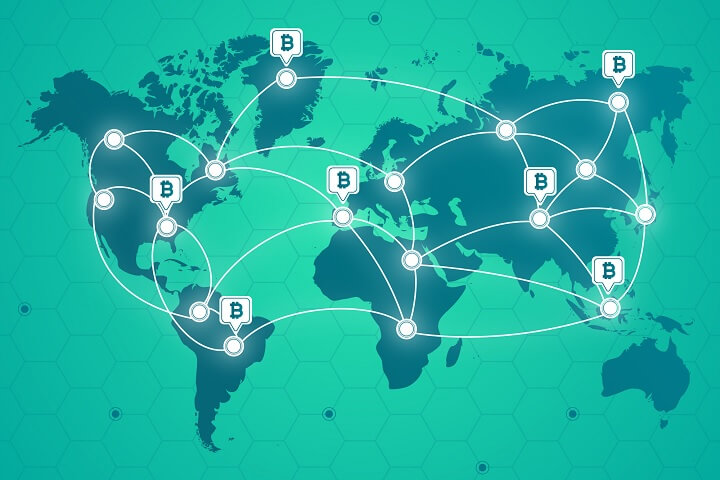
In a landmark development for both the real estate and blockchain sectors, Gates Inc., a prominent Japanese real estate investment firm, has announced its intention to tokenize $75 million worth of prime real estate in central Tokyo. The project will be executed on the Oasys blockchain, a move that marks one of Japan’s most significant real estate tokenization initiatives to date.
The partnership represents a major step for both Gates Inc. and Oasys, as the two companies work to push the boundaries of real-world asset (RWA) tokenization, a rapidly emerging trend in the global blockchain space.
Gates Inc., which reported a $145 million revenue in 2024, has set its sights on a much larger tokenization effort, planning to tokenize over $200 billion worth of assets — equivalent to about 1% of Japan’s total real estate market. The company is currently conducting a Nasdaq roadshow and has filed an F-1 prospectus, signaling its intention to eventually list on the stock exchange.
Yushi Sekino, the CEO of Gates Inc., emphasized that the company has secured the necessary financial and real estate licenses in Japan to proceed with the project. The tokenization initiative will be executed through a Special Purpose Vehicle (SPV) based overseas, ensuring the project complies with both local and international regulatory standards. Sekino added that Gates is actively working to ensure full compliance with Japan’s regulations while establishing strong partnerships to navigate the evolving legal landscape.
Oasys Expands Beyond Gaming to Tokenized Real Estate
The collaboration with Gates is a significant move for Oasys, a blockchain platform originally focused on gaming. Oasys is now shifting its focus to tokenize real-world assets (RWAs) like real estate, expanding its ecosystem beyond its initial gaming roots.
Ryo Matsubara, the founder and representative director of Oasys, shared that the company is aiming to build a token economy that reinvests returns automatically, maximizing compounding effects for investors. The goal is not just to tokenize real estate but to offer a platform that increases the efficiency and liquidity of these assets over time.
The partnership has far-reaching ambitions, with plans to expand the tokenization model internationally, targeting markets like the United States, Europe, the Philippines, and other parts of Asia. The companies also envision tokenizing Japanese intellectual property, including gaming and anime assets, adding further value to the Oasys ecosystem.
Gates’ $75 million tokenization initiative comes at a time when global interest in real estate tokenization is surging. The technology promises to revolutionize the way people invest in real estate by improving liquidity, transparency, and efficiency in a market traditionally known for its illiquidity.
In Dubai, for example, tokenized real estate sales have already reached an impressive $18 billion. In New Jersey, digitization efforts have begun on a $240 billion worth of property deeds, further demonstrating the growing trend of real estate tokenization in global markets.
According to a Deloitte Center for Financial Services report from April 2025, the global market for tokenized real estate is expected to reach over $4 trillion by 2035, a dramatic increase from under $300 billion in 2024. This represents a compound annual growth rate (CAGR) of more than 27%, showcasing the explosive potential of the sector.
The Role of Tokenization in Liquidity and Institutional Investment
Mark Boiron, the CEO of Polygon Labs, has been vocal about the transformative potential of tokenization in the real estate market. In a March 2025 interview with Cointelegraph, Boiron highlighted the liquidity challenges in traditional real estate markets that often lead to illiquidity discounts. Tokenization, he believes, holds the key to overcoming these challenges by increasing market liquidity and enabling fractional ownership of real estate assets, making it more accessible to investors of all sizes.
Institutional investors are already taking an interest in tokenized real estate. In June 2025, Pan-European fund manager APS acquired $3.4 million worth of tokenized real estate assets through MetaWealth’s blockchain-based investment platform, highlighting the increasing appeal of digital real estate assets among large-scale investors.
The collaboration between Gates Inc. and Oasys signals a significant shift in the way real estate assets are viewed and traded. As the tokenization of real-world assets accelerates, we can expect more global players to enter the space, seeking to capitalize on the benefits of blockchain technology.
With real estate tokenization expected to grow into a $4 trillion market by 2035, both institutional and retail investors will likely have more opportunities to invest in high-quality real estate assets without the barriers posed by traditional market structures.
As Gates Inc. moves forward with its ambitious plan to tokenize $200 billion in assets, the project is poised to set a precedent for the future of real estate investment. The coming years will likely see further developments in tokenized assets, bringing more innovation, accessibility, and liquidity to markets traditionally dominated by a few major players.